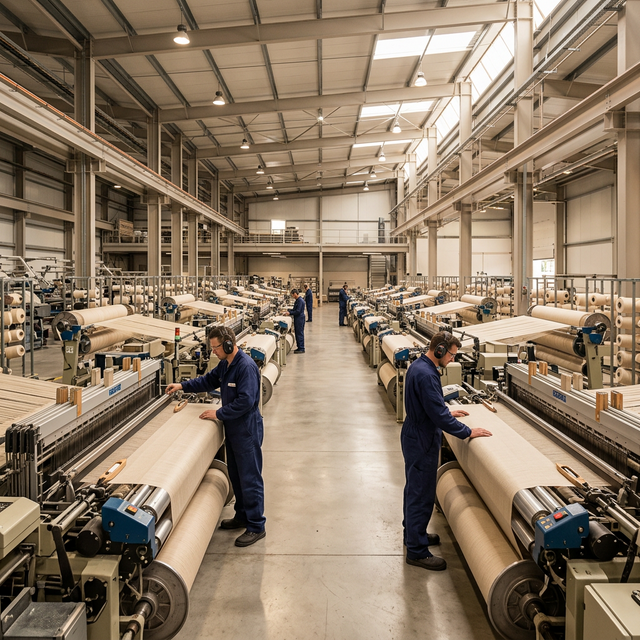
Perspectives on linen manufacturing, textile trade, sustainability, and sourcing — from over two decades of hands-on industry experience.
The global fashion industry is undergoing a significant shift. Consumer awareness around environmental impact has moved from niche concern to mainstream demand. At the centre of this transition is a renewed interest in natural fibres — particularly linen. With its low water footprint, inherent durability, and biodegradability, linen is positioned as one of the most sustainable textile options available to designers and brands today.
For manufacturers like Pinky Textile, this represents not just a market opportunity but a validation of two decades of commitment to natural fibre production. In this article, we examine the forces driving this shift and what it means for procurement and sourcing strategies.
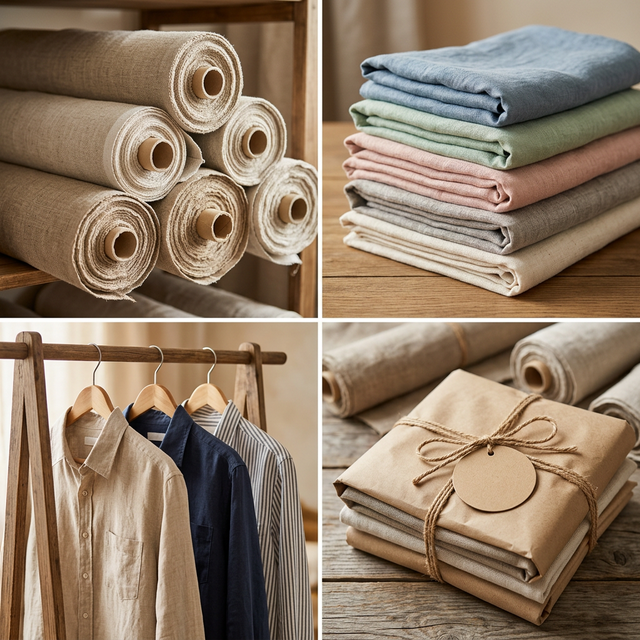
A comprehensive guide to the finest linen brands in India for 2026, evaluated on fibre quality, sustainability credentials, design, and value for discerning buyers.
Textile dyeing and finishing consume significant volumes of water. However, closed-loop water recycling systems are proving that production efficiency and environmental responsibility are not mutually exclusive. This article explores the technologies and processes that are changing water consumption patterns in Indian textile facilities.
India's Bhagalpur region has been synonymous with linen production for centuries. But for international buyers, navigating supplier quality, certification standards, and logistics can be complex. This guide breaks down the key evaluation criteria for selecting a reliable Indian linen supplier.
The hospitality industry's choice between linen and cotton has long been influenced by cost. However, when total cost of ownership, durability, and guest experience are factored in, the economics shift considerably. We present data from multi-year usage studies across hotel groups.
The European Union's evolving regulatory framework for imported textiles requires Indian manufacturers to meet stringent standards on chemical content, labelling, and sustainability reporting. This article outlines the key compliance areas and how to prepare for upcoming changes.
Modern linen blends offer the visual and tactile appeal of pure linen while addressing some of its inherent limitations. From linen-silk to linen-Tencel combinations, we explore how blending technology is expanding the scope of linen applications across product categories.
Retailers and brands increasingly require visibility into their supply chains. For textile manufacturers, this means documenting everything from raw material sourcing to labour practices. We discuss the standards and systems that support genuine transparency.
Bhagalpur's textile heritage spans centuries, but the region is now embracing modern manufacturing practices while preserving its artisanal traditions. This article profiles the evolution of the city's textile cluster and its growing relevance in global supply chains.
Ordering custom linen involves decisions on yarn count, weave structure, weight, width, finish, and colour. This technical guide explains each parameter and provides reference ranges to help buyers communicate specifications accurately to their manufacturers.
The hospitality and luxury residential sectors in the Gulf Cooperation Council countries are driving substantial demand for quality linen. This article examines the trade dynamics, tariff structures, and buyer preferences shaping this growing corridor.